Gold Cura
Gold Cura Sectional Matrix System Kit – 100 Contoured Bands + Delta & Standard Rings
In stock
Couldn't load pickup availability
In stock. Estimated delivery within 4–5 working days.
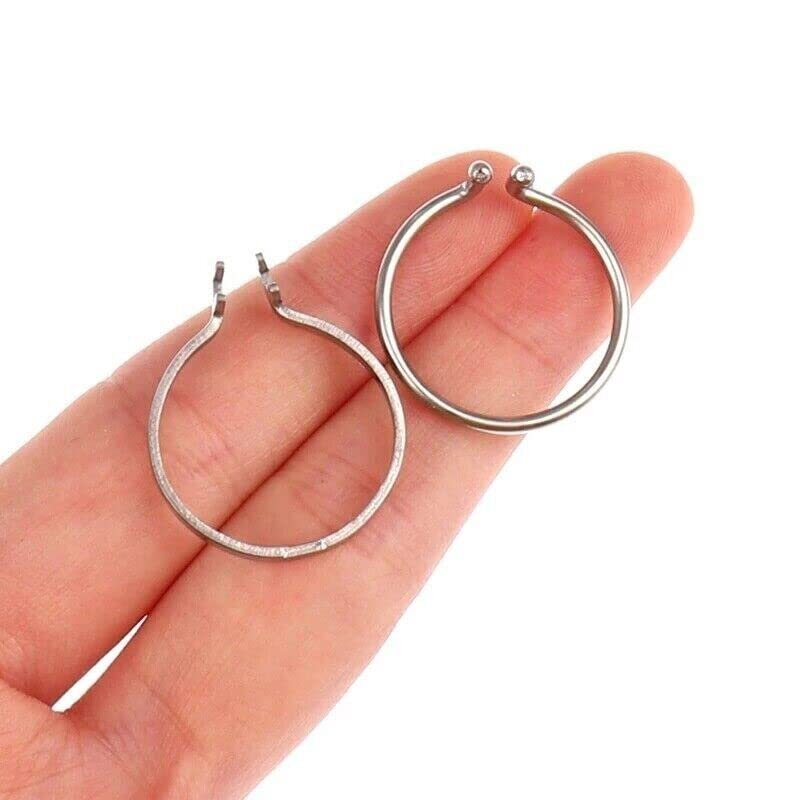
The Gold Cura Sectional Matrix System Kit contains 100 pre-contoured stainless-steel sectional matrix bands, one Delta ring and one Standard ring for posterior Class II restorations. The system is designed to help dentists reproduce a natural proximal contour, stable marginal ridge and firm contact area during direct composite and amalgam restorations.
Quick answer: This is a professional sectional matrix kit for Class II MO, DO and selected MOD restorations in premolars and molars. The matrix band forms the temporary proximal wall, a wedge supports cervical adaptation, and the separation ring helps hold the band against the adjacent tooth. Wedges are not included in this kit.
Count clarification: The stated quantity of 100 refers to the matrix bands. One Delta ring and one Standard ring are supplied in addition, giving 102 supplied components. Wedges and placement forceps are not included.
What Is a Sectional Matrix System?
A sectional matrix system uses a pre-contoured band that covers the proximal surface being restored rather than wrapping around the entire tooth. The band is normally used with an interdental wedge and a separation ring. Correct band selection, wedging and ring placement can help compensate for matrix thickness, adapt the band at the cervical margin and create a more anatomical posterior contact.
What Is Included?
| Sectional matrix bands | 100 pre-contoured stainless-steel bands |
| Delta ring | 1 reusable ring |
| Standard ring | 1 reusable ring |
| Wedges | Not included |
| Placement forceps | Not included |
The 100 bands are supplied as an assorted posterior matrix selection. Contact Gold Cura before ordering when a particular matrix height, contour or exact size distribution is essential.
Why Dentists Use Sectional Matrix Systems
- Proximal contact formation: The ring and pre-contoured band support a firm contact area when correctly positioned.
- Anatomical contour: The curved band helps reproduce posterior proximal anatomy and marginal-ridge form.
- Cervical adaptation: Proper wedging helps seal the gingival margin and reduce restorative flash or overhang.
- Focused access: A sectional band covers only the surface being restored, leaving more of the tooth visible.
- Multiple clinical situations: Delta and Standard ring designs provide alternative fit and access according to the tooth, embrasure and cavity position.
Clinical results depend on diagnosis, matrix height, wedge selection, ring stability, adjacent-tooth anatomy and operator technique. The kit does not guarantee a contact point without correct placement.
Delta Ring and Standard Ring
The kit includes two separation-ring designs so the clinician can choose the ring that seats most securely around the selected matrix and wedge. The Delta ring and Standard ring may provide different access around the embrasure or cavity. Select the ring according to the preparation, tooth position, neighbouring tooth and available interproximal space. No claim is made regarding proprietary ring alloy, separation force or compatibility with another brand’s components.
Clinical Applications
- Class II direct posterior restorations
- Mesio-occlusal (MO) cavities
- Disto-occlusal (DO) cavities
- Selected mesio-occluso-distal (MOD) restorations
- Premolar and molar proximal boxes
- Posterior composite restorations
- Posterior amalgam restorations
- Wide or deep proximal boxes where secure cervical adaptation can be achieved
Suggested Placement Sequence
- Select a matrix band that extends beyond the preparation and reaches the cervical margin without excessive height.
- Place the band against the proximal surface and confirm that the contour faces the correct direction.
- Insert a suitable interdental wedge to adapt the band at the gingival margin. Wedges are purchased separately.
- Place either the Delta or Standard ring so it stabilises the band and wedge without distorting the matrix.
- Check the cervical seal, proximal contour, contact position and marginal-ridge height before placing restorative material.
- Place and cure or set the restorative material according to its instructions.
- Remove the ring, wedge and band carefully, then check contact, contour, marginal ridge and absence of overhang.
Product Specifications
| Product | Gold Cura Sectional Matrix System Kit |
| Matrix quantity | 100 bands |
| Matrix design | Pre-contoured sectional matrices |
| Matrix material | Stainless steel |
| Separation rings | 1 Delta ring and 1 Standard ring |
| Matrix sizes | Assorted posterior bands; confirm the current size distribution when essential |
| Primary indications | Class II MO, DO and selected MOD posterior restorations |
| Restorative materials | Composite and amalgam |
| Intended user | Qualified dental professionals |
Cleaning, Sterilisation and Reuse
The Delta and Standard rings are reusable. Clean, inspect and steam sterilise them according to the supplied instructions and the clinic’s validated instrument-processing protocol. Do not use a ring that is distorted, damaged, corroded or unable to retain the matrix securely.
Sectional matrix bands can deform during placement and removal and should generally be treated as single-use unless the supplied instructions specifically permit validated reprocessing. Never reuse a visibly damaged or contaminated matrix.
How This Listing Compares with Similar-Looking Options
| Buyer check | This Gold Cura listing | When to choose another option |
|---|---|---|
| Configuration | A Class II posterior restoration kit containing 100 pre-contoured stainless-steel sectional matrix bands, one Delta separation ring and one Standard ring. | Choose another listing if you require a different size, model, material, connection or pack quantity. |
| Compatibility | For premolar and molar MO, DO and selected MOD restorations when the chosen band, wedge and ring achieve stable cervical adaptation. Wedges are not included. | Do not substitute a similar-looking product unless its specifications match the equipment and clinical requirement. |
| Package | 1 × Gold Cura Sectional Matrix System Kit | Choose a different pack when another quantity or accessory set is required. |
Delivery and Returns
- Estimated delivery: 4–5 working days.
- Returns: Eligible return requests must be raised within 24 hours of delivery, subject to Gold Cura’s return policy.
- Clinical-use restriction: Used, contaminated, opened hygiene-sensitive or sterilized products cannot be returned.
Frequently Asked Questions
What is included in the Gold Cura Sectional Matrix System Kit?
The kit contains 100 pre-contoured stainless-steel sectional matrix bands, one Delta ring and one Standard ring.
What is a sectional matrix system used for?
It is used to create a temporary proximal wall during direct Class II posterior restorations and to support anatomical contour, marginal-ridge form and proximal contact.
How does a sectional matrix system help create a tight proximal contact?
The pre-contoured band shapes the restoration while the separation ring stabilises the band and provides temporary separation. After removal, the teeth return toward their original position. The final contact still depends on correct band, wedge and ring placement.
What is the difference between the Delta and Standard rings?
They are two ring designs that provide alternative seating and access around different posterior preparations. Select the ring that is stable and adapts the matrix correctly for the specific tooth and cavity.
Are wedges included?
No. Wedges are not included. A suitable wedge is normally used to adapt the matrix at the cervical margin and should be selected separately.
Which matrix sizes are included?
The kit contains 100 assorted pre-contoured posterior matrix bands. Contact Gold Cura when an exact height, contour or size distribution is essential.
Can the kit be used for MO, DO and MOD restorations?
Yes. It is intended for Class II MO and DO restorations and may be used for selected MOD cases according to the dentist’s technique and the stability of the matrix setup.
Can it be used for premolars and molars?
Yes. The assorted posterior matrices and two ring designs can support premolar and molar restorations when an appropriately fitting band and ring are selected.
Is it suitable for composite and amalgam?
Yes. The stainless-steel sectional bands may be used for posterior composite and amalgam restorations.
Can the rings and matrix bands be reused?
The rings are reusable and should be cleaned, inspected and sterilised according to the supplied instructions. Matrix bands should generally be treated as single-use unless validated reprocessing is specifically permitted.
Can it be used for wide or deep proximal boxes?
It may be used where the selected band, wedge and ring achieve stable cervical adaptation. Cases with extensive missing tooth structure may require a different matrix strategy or additional stabilisation.
Browse more sectional matrices and dental matrix systems or contact Gold Cura for product-selection assistance.
Why Dentists Choose This Product
- A Class II posterior restoration kit containing 100 pre-contoured stainless-steel sectional matrix bands, one Delta separation ring and one Standard ring.
- Compatibility: For premolar and molar MO, DO and selected MOD restorations when the chosen band, wedge and ring achieve stable cervical adaptation. Wedges are not included.
- Package: 1 × Gold Cura Sectional Matrix System Kit
Saddle vs Sectional vs Anterior Matrix Systems
| Feature | Saddle Matrix Kit | Sectional Matrix Kit | Anterior Matrix Kit |
|---|---|---|---|
| Primary area | Posterior proximal restorations | Posterior Class II MO, DO and selected MOD restorations | Suitable anterior restorative procedures |
| Listed components | 36 bands plus 1 spring clip | 100 bands plus Delta and Standard rings | 30 metal matrices and strips plus the listed rings |
| Retention | Spring clip engages the rolled band edges | Selected band, separation ring and appropriate wedge | Select the matrix and ring according to tooth form and access |
| Important check | The 36-band count excludes the separate clip | Wedges and placement forceps are not included | Confirm the exact supplied shapes and rings shown in the listing |
Read the Dental Matrix System Selection Guide before choosing between these systems. Do not assume that bands, clips, rings or accessories are interchangeable.