Gold Cura
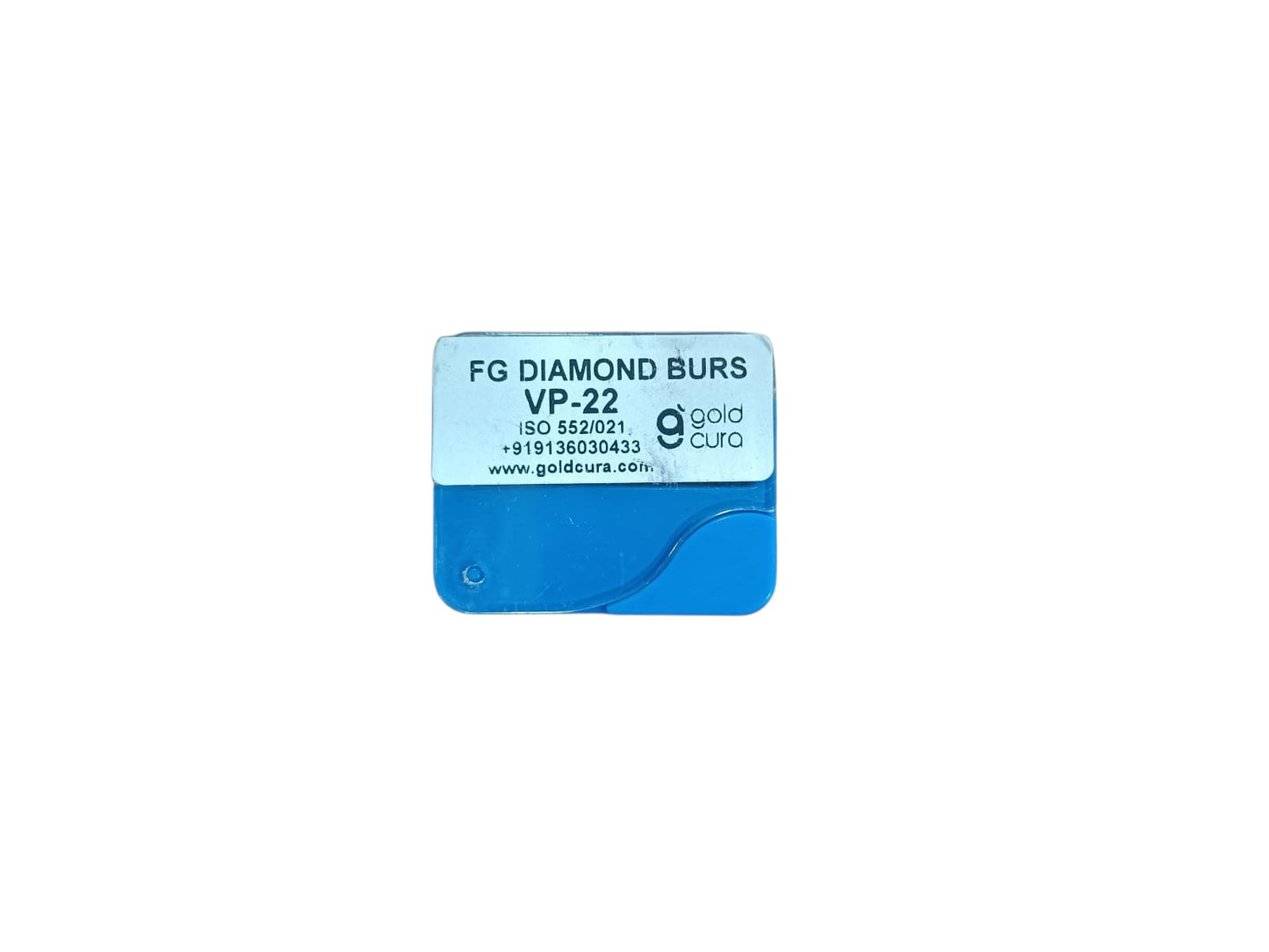
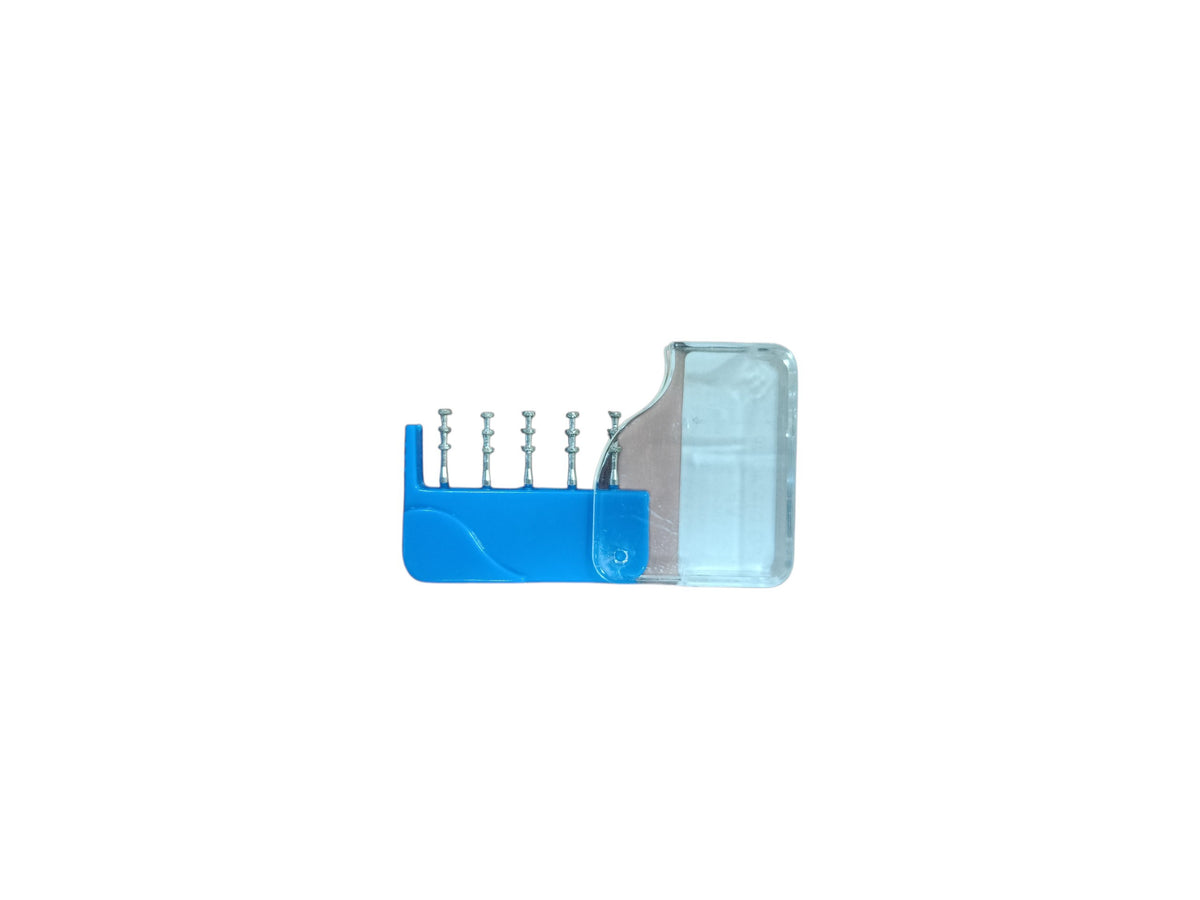
Gold Cura Veneer Depth-Cutting Diamond Burs FG – VP-20 to VP-22, Pack of 5
Low stock
Couldn't load pickup availability
In stock. Estimated delivery within 4–5 working days.
Quick Answer
VP-series FG depth-marker diamond burs for creating orientation grooves that guide controlled and uniform reduction during veneer and related restorative preparations.
Direct answer: Gold Cura VP-Series Depth-Cutting Diamond Burs FG are depth-marker burs used to place controlled orientation grooves before veneer, anterior crown or other planned tooth reduction. The grooves provide a visual and tactile reference so the remaining enamel can be reduced more uniformly. Choose VP-20, VP-21 or VP-22. Each order contains 5 identical burs of the selected code.
VP-Series Depth-Cutting Burs: Key Facts
| Bur category | Depth cutter / depth marker / orientation-groove diamond burs |
|---|---|
| Available codes | VP-20, VP-21 and VP-22 |
| Common catalogue references | VP-20: ISO shape 552/016; VP-21: 552/018; VP-22: 552/021. |
| Primary applications | Veneer preparation, anterior crown reduction and uniform depth-orientation grooves |
| Shank | FG / friction grip for a compatible high-speed dental handpiece |
| Pack size | 5 identical burs of the selected code |
| Intended user | Trained dental professionals |
What Is a Dental Depth-Cutting Bur?
A depth-cutting or depth-marker bur creates one or more orientation grooves of a planned depth. The unprepared enamel between the grooves is then reduced using an appropriate preparation bur until it reaches the groove reference. This supports more uniform reduction and helps avoid relying only on visual estimation.
When to Use VP-20, VP-21 and VP-22
Comparable catalogues show the VP sequence as progressively larger depth-marker profiles. Published protocols and distributor specifications do not always assign identical millimetre depths to every code, so use the guidance below as relative clinical selection and verify the exact Gold Cura cutting depth from the packaging or technical specification.
| Code | Relative profile | When to use it |
|---|---|---|
| VP-20 | Smallest / most conservative VP profile | Choose for shallow, enamel-preserving orientation grooves, conservative facial reduction, cervical or localised veneer-preparation areas and cases where the planned reduction is minimal. It is the starting choice when the preparation design calls for the least depth within this VP group. |
| VP-21 | Intermediate VP profile | Choose for moderate facial depth orientation and general veneer preparation when more reduction is planned than with VP-20. VP-21 has been used in published veneer protocols for approximately 0.5 mm grooves, but this should not be treated as a confirmed Gold Cura dimension. |
| VP-22 | Largest / deepest VP profile | Choose for the greatest planned reduction within this three-code group, broader facial or incisal areas and preparations where a deeper orientation reference is required. VP-22 has been used in published protocols for approximately 1.0 mm grooves, but confirm the actual Gold Cura cutting depth before use. |
Simple selection rule: choose the depth from the restorative plan, diagnostic wax-up, silicone index and remaining enamel—not simply from the code number. Use VP-20 for the most conservative groove, VP-21 for an intermediate groove and VP-22 for the greatest planned depth only after confirming the product specification.
Depth Marker vs Preparation Bur
| Instrument | Purpose | Clinical role |
|---|---|---|
| VP depth marker | Creates orientation grooves | Establishes a controlled reduction reference |
| Round-end cylinder or taper bur | Connects grooves and removes the intervening enamel | Creates the final facial contour and finish line |
| Fine finishing bur | Refines margins and surface texture | Completes the preparation after gross reduction |
How to Use a Depth-Cutting Bur in Veneer Preparation
- Determine the required reduction. Use the restorative material, tooth position, shade change, wax-up and silicone index to plan the depth.
- Select the matching VP code. Confirm the actual Gold Cura depth specification rather than assuming another manufacturer’s measurement.
- Follow the facial contour. Place orientation grooves in the cervical, middle and incisal thirds according to the preparation design instead of flattening the natural facial surface.
- Use light pressure and adequate cooling. Allow the marker profile to establish the reference without forcing it deeper.
- Mark or visually identify the groove base when useful. This can help show when the intervening enamel has been reduced to the planned level.
- Join the grooves with an appropriate preparation bur. Reduce the enamel islands while preserving the planned contour and avoiding unnecessary dentin exposure.
- Verify reduction. Recheck with the silicone index or other planned reduction guide.
- Refine the preparation. Finish margins and surfaces with the appropriate fine or extra-fine instrument.
Common Clinical Applications
- Porcelain and ceramic veneer preparation
- Anterior crown facial reduction
- Depth-orientation grooves before controlled enamel reduction
- Uniform preparation planning across cervical, middle and incisal thirds
- CAD/CAM preparation where minimum restorative thickness must be planned carefully
- Teaching and standardising tooth-reduction sequences
Important Accuracy and Safety Notes
- The VP number is not a substitute for a treatment plan or reduction index.
- Published depths for similarly named VP burs can differ between catalogues.
- Do not apply another brand’s dimensions, grit or maximum RPM to Gold Cura burs.
- Use under suitable water cooling with light, controlled contact.
- Inspect the bur before use and confirm secure seating in the handpiece.
- Follow the supplied cleaning, disinfection, sterilisation, reuse and replacement instructions.
Frequently Asked Questions
What are depth-cutting diamond burs used for?
They create orientation grooves that guide controlled, uniform tooth reduction during veneer, crown and related restorative preparation.
Are depth cutters the same as normal preparation burs?
No. A depth cutter establishes reference grooves; another preparation bur is normally used to connect the grooves and create the final contour.
What is the difference between VP-20, VP-21 and VP-22?
They are progressively larger depth-marker profiles. VP-20 is the most conservative, VP-21 is intermediate and VP-22 provides the greatest planned depth within this group, subject to confirmation from Gold Cura specifications.
When should I use VP-20?
Use VP-20 for shallow, enamel-preserving orientation grooves and minimal facial reduction.
When should I use VP-21?
Use VP-21 for moderate facial reduction and general veneer depth orientation when an intermediate reference is planned.
When should I use VP-22?
Use VP-22 when the treatment plan requires the greatest depth within the VP-20 to VP-22 range, such as broader or deeper facial or incisal reduction.
Are VP-21 and VP-22 exactly 0.5 mm and 1.0 mm?
Those depths appear in published veneer protocols using similarly coded burs, but they are not presented here as confirmed Gold Cura specifications. Verify the supplied product information.
How many burs are included?
Each pack contains five identical burs of the selected VP code.
Is this a mixed pack?
No. Select VP-20, VP-21 or VP-22, and the pack contains five burs of that selected code.
Which handpiece is required?
These are FG friction-grip burs for a compatible high-speed dental handpiece.
Should depth grooves follow the facial contour?
Yes. Orientation grooves should reflect the planned cervical, middle and incisal contour rather than flattening the natural facial anatomy.
Can these burs be sterilised and reused?
Follow the cleaning, disinfection, sterilisation, reuse and replacement instructions supplied with the product.
Related Gold Cura Dental Burs
- Dental Burs & Bur Kits
- EX-24 Safe-Ended Diamond Burs FG
- Straight Round-End Cylinder Diamond Burs FG
- Taper Round-End Diamond Burs FG
- Fine Finishing Diamond Burs FG
- Extra-Fine Finishing Diamond Burs FG
Professional-use dental instrument. Confirm the exact Gold Cura cutting depth, dimensions, grit, speed and processing instructions before use.
Browse related products: Dental Diamond Burs.
Selection help: Compare depth markers, preparation profiles and abrasive grades in the Dental Diamond Bur Shapes & Grit Selection Guide.
Why Dentists Choose This Product
- VP-series FG depth-marker diamond burs for creating orientation grooves that guide controlled and uniform reduction during veneer and related restorative preparations.
- Compatibility: For a compatible high-speed FG / friction-grip dental handpiece. VP codes distinguish relative profiles; verify the exact depth, dimensions and abrasive grade from Gold Cura product documentation before use.
- Package: 1 × pack containing 5 items as specified
Delivery and Returns
Estimated delivery is within 4–5 working days. Eligible return requests must be raised within 24 hours of delivery and remain subject to Gold Cura’s return policy. Used, contaminated, opened hygiene-sensitive or sterilized items are not returnable.